+86 18305395512 ( 0 )
 EN
EN
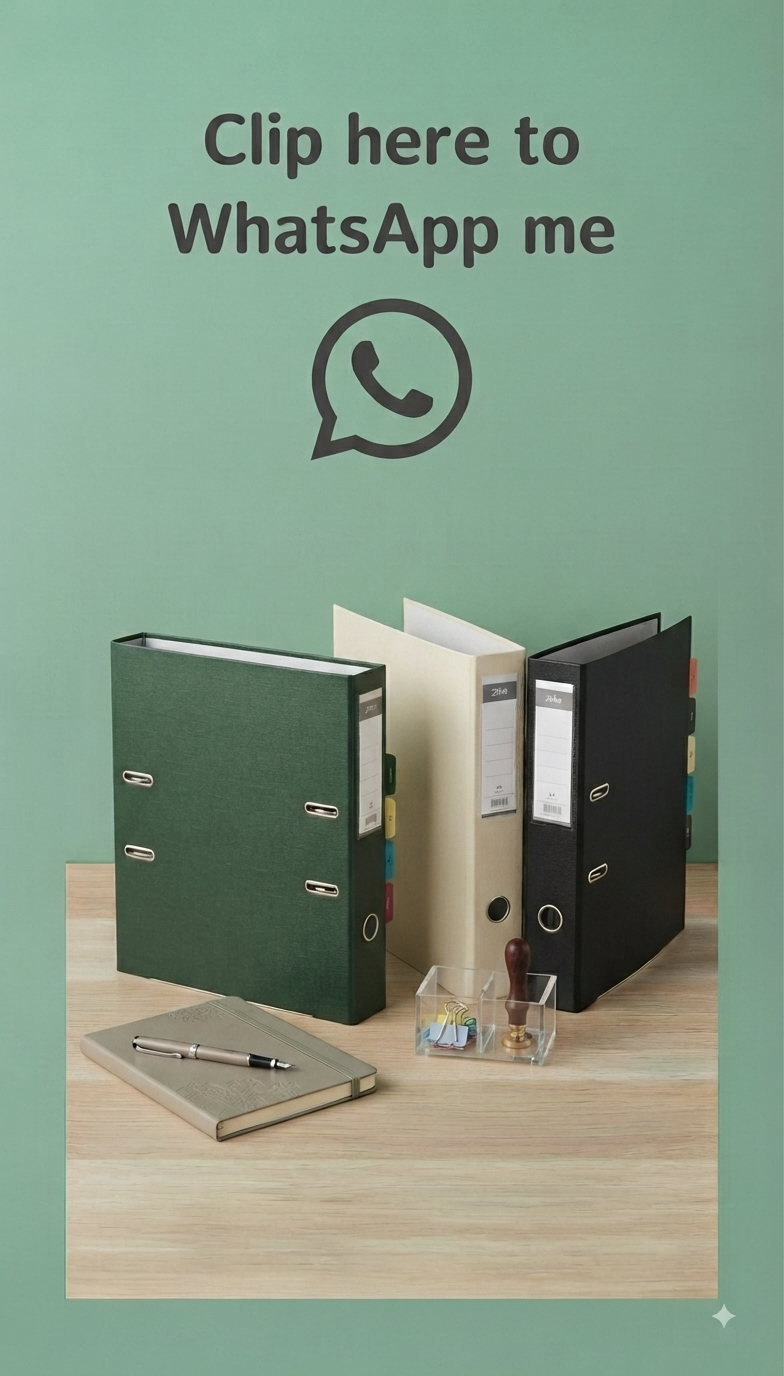
Lever Arch File Spine Width Sizes: A B2B Guide to Picking the Right Capacity
Spine width decides how much a lever arch file actually holds
A lever arch file is the same mechanism wherever it ships - a steel arch, a compressor bar, a finger hole on the spine and a label slot on the cover. What changes the way the file is used is the spine width. The spine width decides how much paper the file holds, how tall the file sits on a shelf, and whether the file fits in a standard filing cabinet or a deeper storage drawer.
For a B2B buyer sourcing lever arch files for an office, a school, an archive or a wholesale catalogue, the spine width decision is usually the first line on the spec sheet. Pick the wrong spine and the file is either too thin to be useful or too thick to fit the cabinet.
What spine width actually measures
Spine width is the distance from the back cover to the front cover when the lever arch file is closed. It is measured in millimetres. The mechanism takes up some of that distance; the rest is the paper capacity. A 50 mm spine width lever arch file holds roughly 350 to 400 sheets of 80 gsm office paper. A 75 mm spine width holds roughly 550 to 600 sheets. A 100 mm spine width holds roughly 750 to 800 sheets.
The paper count is a rule of thumb, not a precise spec, because paper weight, sheet thickness and the way the arch compresses the stack all shift the actual capacity. For a B2B buyer, the spine width is the right number to spec, not the paper count, because the spine width is what the cabinet and the shelf have to fit.
Side by side: 50 mm vs 75 mm vs 100 mm spine width
| Dimension | 50 mm | 75 mm | 100 mm |
|---|---|---|---|
| Paper capacity (80 gsm) | ~350-400 sheets | ~550-600 sheets | ~750-800 sheets |
| Shelf footprint | Standard shelf | Standard shelf, slightly taller | Deep shelf or archive box |
| Cabinet fit | Standard drawer | Standard drawer, may need extra clearance | Deep drawer or archive box |
| Best-fit use | Active projects, monthly files, class folders | Quarterly files, year-end binders, archive use | Multi-year archive, heavy project files |
Read that table the way a buyer reads a spec sheet. The 50 mm spine is the workhorse for active daily use. The 75 mm spine is the upgrade for a thicker stack and a longer shelf life. The 100 mm spine is the archive-grade capacity that needs a deeper shelf or a dedicated archive box.
When the 50 mm spine width is the right pick
The 50 mm spine width is the default lever arch file for daily office use. It fits a standard shelf and a standard filing cabinet drawer, it carries enough sheets for a monthly project or a quarterly archive cycle, and it is the spine width that most office supply catalogues anchor on. Wholesale orders for the office segment typically carry the 50 mm spine as the main SKU.
For a wholesale buyer serving general offices, the 50 mm spine width lever arch file is the safe pick. The file looks balanced on a shelf, the mechanism sits at a comfortable height for daily handling, and the unit cost sits at the bottom of the LAF range. The 50 mm is also the easiest spine width to brand, because the cover area is large enough for a logo or a printed label without crowding the spine.
When the 75 mm spine width is the right pick
The 75 mm spine width is the upgrade pick for buyers who want a thicker stack in a single file. It is the spine width most academic offices, legal practices and finance teams anchor on - anywhere a single project runs to a few hundred sheets and the file has to last through the project cycle without splitting across two lever arch files.
For a wholesale buyer serving schools, the 75 mm spine width is often the right pick because a class set or a year-end archive stack hits the 75 mm capacity cleanly. The 75 mm file is also the spine width that most retail catalogues stock as a second SKU alongside the 50 mm, because the two spines cover most active office and archive use without forcing the buyer to step up to a 100 mm file.
When the 100 mm spine width is the right pick
The 100 mm spine width is the archive-grade pick. It carries the most paper per file, sits taller on a shelf, and usually needs a deeper filing cabinet drawer or a dedicated archive box. For a wholesale buyer serving records offices, legal archives and long-retention accounts, the 100 mm spine is the right pick when the file is expected to sit on a shelf for years without being split.
For a wholesale buyer, the 100 mm spine width lever arch file is the niche SKU in a catalogue. It is the right pick for specific segments (records office, legal archive, long-retention accounts) and the wrong pick for daily office use. A balanced catalogue carries the 50 mm and 75 mm as the main SKUs and adds the 100 mm as a specialty option for archive and records buyers.
How ZOKABS lines up lever arch file spine widths
ZOKABS produces lever arch files in 50 mm, 75 mm and 100 mm spine widths on paperboard, PP and PVC cover lines. The same mechanism ships across all three spine widths, so the buyer's catalogue can carry the full spine range against the same brand and finish story. Spine width is the only spec that changes between SKUs in the range.
For a wholesale lever arch file order, ZOKABS lines up the spine widths and the finish story against the buyer's catalogue plan. Send the target spine widths, the cover material and the order volume, and the factory will line up the production plan and the master carton count for the next order.
FAQ
Which lever arch file spine width is the most popular?
The 50 mm spine width is the most popular range for daily office use. It fits a standard shelf and a standard filing cabinet drawer, and most office supply catalogues anchor on it as the main SKU.
Can a 75 mm spine lever arch file fit a standard filing cabinet?
Most standard filing cabinets take a 75 mm spine lever arch file with extra clearance. The file is taller than a 50 mm file, so the drawer has to have the height to clear the spine. Check the cabinet drawer height before specifying the 75 mm spine for a wholesale order.
Is a 100 mm spine lever arch file worth the extra cost?
A 100 mm spine lever arch file earns its place when the file holds a multi-year archive stack and the buyer does not want to split the file across two lever arch files. For daily office use, the 50 mm and 75 mm spines are the better economic pick.
Can a single order mix different spine widths?
Yes. A wholesale lever arch file order can carry 50 mm, 75 mm and 100 mm SKUs on the same purchase order. The factory schedules them as separate production runs but ships them on one consolidated carton plan.
Tell ZOKABS which spine widths your catalogue needs, the cover material and the order volume, and the factory will line up the spine range, the finish story and the packing plan for the next order.
Subscribe for our latest Updates
Stay up to date with the latest news, announcement and articles.- Contact Us
- Daguanzhuang,Tancheng,Linyi,Shandong,China, 276111
- +86 18305395512
- Aria@zokabs.com
- Products
- Promotion File
- Clipboard
- Ring binder
- Lever arch file & Box file
- Expandable Storage Files
- Sheet Protector & L folder
- Poly & Paper Folders
- About us
- About us
- Company Technology